

Pierced metal plaques such as the one above must surely count among the most spectacular instances of Safavid art to modern eyes, with their stark contrasts, incredible fineness of detail, bold clean lines surrounding delicate ornament, and obvious evidence of extremely skilled craft. Plaques such as this one- see below for another, quite similar example- once formed part of the interior of Safavid shrines, either to one of the Twelve Imāms or to the far more frequent imāmzādehs, the descendents of the Imāms, who were also more likely to be found in Safavid controlled territory (there were also cases of saints’ shrines of various sorts being ‘converted’ to an imāmzādeh after the rise of the Safavids). Others were found on the tombs of Safavid shahs and in the massive shrine complex of Ṣafī al-Dīn, the Safavid eponym, in Ardabil. In 1550 large number of such plaques were ordered and installed by Shah Tahmāsp I in the shrine of Imām Riḍā in Mashhad, with further production through the rest of the Safavid dynasty.

So far as I know none remain in situ, a consequence of their likely original location- probably upon the grill-like structure surrounding the location of the tomb itself (see the 16th century illustration above for an idea of what such a space would have looked like). Such structures, as well as the built fabric of shrines in general, tend to be subject to great use, wear-and-tear, and continual renovation; as a result these plaques were dispersed and now reside in various museums and collections. Originally, however, they would have been visible to those making pious visitation (ziyāra) to the holy people whose tombs they adorned.
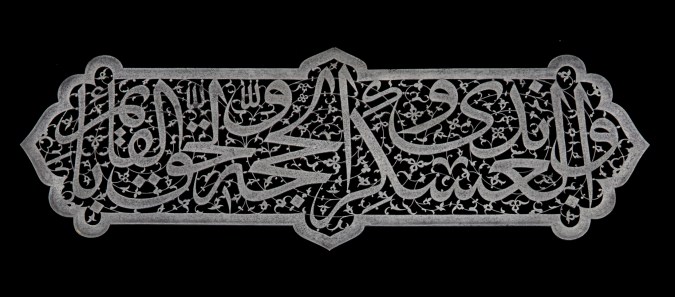
In terms of content, these plaques extoll and in some cases supplicate the prayers of the Twelve Imāms, as well as Muḥammad and Fāṭima, acting both to channel the intercessory power of these figures while linking the entombed person to the ‘People of the House.’ While devotion to the Twelve Imāms was not limited to Shi’i Muslims historically- contemporaneous Ottomans who would have regarded themselves as good Sunnis venerated the Twelve Imāms as well- such devotion was especially central to Shi’i Islam and to Safavid religious identity. These plaques signaled, to those who could read them (or have them read to them), that centrality, while also acting as inscribed requests for intercession, connecting the People of the House and their baraka to whatever shrine their names were place within. The sheer skill, time, and resources that were involved in producing such works were in themselves acts of devotion (along with the patronage of such work).

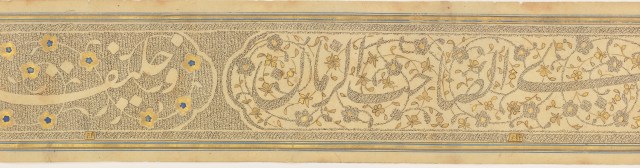
Continue reading “Safavid Devotional Art in Steel, Script, and Scroll”
 Thicket & Thorp