burned horizons

i.

a white shroud hangs before the mountain, the sun
is wan and thin, ebbing through the particles of ash in air.
burning, burning, the rancid and unbid fruit of harnessed fire.
far off dying trees groan, dry bones splintering.

ii.

they backfilled the vulture-signed enclosure, the raw
phallic stones pushing against earth and sky
and the spatters of blood and beer on the thirsty earth.
rough worked back into the dark with ragged stone.
finality, and they walked away, into days to come.
a conclusion, and a beginning. the barley was nodding
along the spare limestone hills. göbekli tepe slept cthonic.

iii.

and then, grain, and cattle, and
earthen banks and ditched courses cutting the land.
they raised wooden beams to the sky, and wove beams
within beams and so dwelt above the earth, suspended,
houses circling a vast inner space. across the widening water,
in cursus limning holy spaces, others raised
timber to mark the ways, precincts of some rare power.
and then—when their time was come, when the cycles
of the stars and the cattle’s births and the grain’s rising
were meet and right and the signs were set,
solemnly they set their worked woods alight.
burnt house horizons along the southern
steppes, great flames licking at the skies,
smoke as of incense rising, a kenning of the limits
against which they had pushed, a need to start anew.
the isles’ timbered precincts, too, they burned clean to ground,
only ash and charcoal remaining. as a burnt sacrifice, maybe,
a searching memory of the garden lost, of ways
not taken. what is most immediate and close, cannot
in this world last forever. we must let go in offering.
hall and enclosure, consigned to the fire, works as of ash.

iv.

what did those neolithic delvers and woodturners know,
that we do not? what biting ghosts and bitter demons
did they stay with their fiery forced obsolescence?
what acts of propitiation and doxology did they summon,
in the setting alight of shape and form, a stop, and a release.
I wonder as I watch the smoke hang motionless on
lookout mountain, drifted down from our new burnt horizons,
on a world fast burning, without ritual or guide. perhaps it is
time then to backfill our own sharp clawed monuments,
and to let the old timbered frames give way to new,
to see what will grow in the unhallowed ruins.

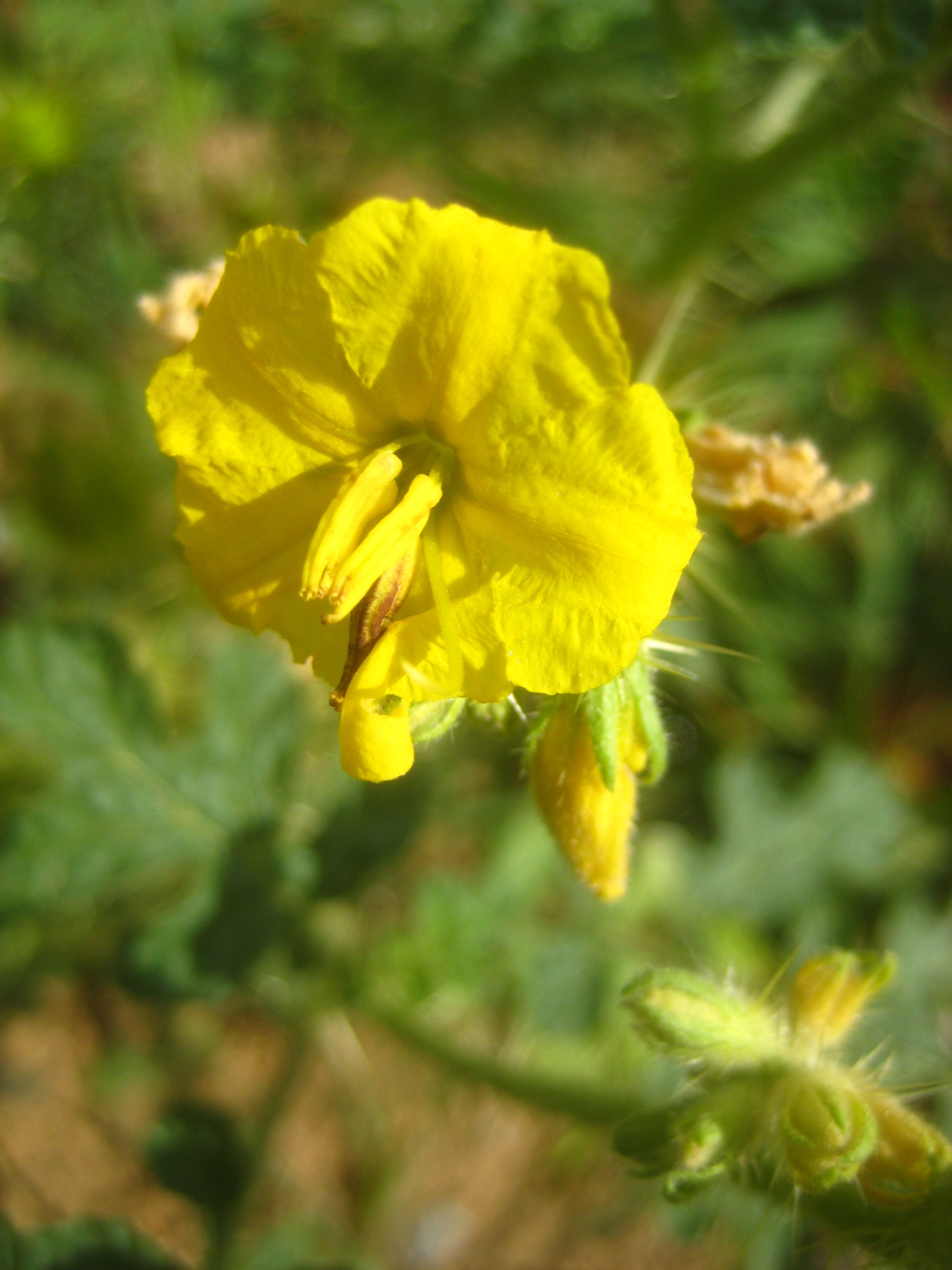
Relics

And so this: culture, to cultivate, cultus,
The smell and feel of soil and of holy dust, the sacred grit
That will break the fine tuned gears of the machine,
Rust out its parts and reveal the garden.
To grow, to guide, to shape the self that
Passes beyond the self, finds the Other and the Elsewhere,
Here and now, and finally then. Watered and broken down.
Unless the seed die…
Such is the labor, and the prayer, the labor in prayer. Bowing,
My lips touch the bit of bone, proximity in fragments. From these
Pieces scattered and gathered grows the universe.

From Above the Frozen Potomac

We are standing on a flood-scoured tongue of rock that juts down from the banks of the Potomac River, a mile or so below the mouth of the river’s great gorge, a gorge headed by the mighty Great Falls. The cries of geese settling down into an open basin of water within the ice-choked river overwhelm the distant hum of the interstate. That hum is the only indication of how close we are to ‘civilization,’ and to the very seat of the American imperium. The sprawling organs of that state are but a few miles downstream, but here—here the broad river is silent under sheets of ice, melt-water pooling here and there as the temperature has risen a bit above freezing the last couple of days. Beneath the ice the river is strong, is pure power and energy, surging towards the sea. It bubbles up from under the ice in the oval basin where the geese have found refuge, and here and there in riffles and surges. I scan the sprawling sheets of ice, multicoloured, sinuous, maps to other worlds that intertwine with ours but will always lie out of our grasping reach. Near the river’s right bank—the Maryland side, though this is a designation that lies so lightly on the land, and will one day pass away—my eyes fall upon a scuttling, flapping black mass. A circle of black vultures, gathered around some victim of the river’s ice, stark and brilliant against the pale grays, blues, and whites. Overhead, a grey sky hangs heavy and cold, reaching down into the ghostly limbs of the sycamores that rise above the river’s banks, seeps into the ancient stone.

I shift upon the river-scoured stone, witness to the last great age of ice, when the decaying continental ice sheets unleashed world-shaking floods on this stretch of river, and cut across and down into the incredibly ancient metamorphic rock that jaggedly breaks upon the earth’s surface here. The cold rises up from the frozen river’s surface. I check to make sure my little son—tomorrow is his tenth month birthday—is warm, his face turned inwards to my chest, snuggled and asleep for now. Later, by the lively river rapids further down he will wake back up and take in the mighty beauty, but at the moment he sleeps against me, warm and peaceful. There are no other humans in sight from here. At points along the river, outside of the Park Service domains, mansions of the rich leer down, but from where we are standing they are invisible, cloaked by hill and stone and tree.

For a moment I think of the halls of power downstream. The river’s waters will flow past them soon, but they will pay the halls and the mighty men and women and the monuments and the sprawling buildings and high-rises no heed. I think: one day, perhaps soon, perhaps in the far distant future if the Eschaton tarries, the monuments will crumble, the detritus of empire will accumulate out in the Potomac’s outflow into the Chesapeake. The river will still be here. The ice will spread across the river, the vultures will gather and enact their age-old somber and joyous dance, turning death back into life. Perhaps the ravens and bears will have come down from the mountains by then, adding their gronks to the cold air, their tracks over the snow. The works of men will perish, thank God. There is a strange comfort in the thought, and comfort in our sharing in this moment and space of the wild, the sublime and the beautiful, so close to so much that is not beautiful, that is destructive and terrible and which lays waste to the earth, to the soul, to the good. I cannot dislodge the systems and powers downstream, and I do not love to think that my son will inherit a world marked by the same or similar ones. I do not know what the ecologies and landscapes that I love and that I hope he will love, too, will be like in ten or twenty years. But while nothing is certain, I am hopeful that places like this, moments like this, will remain, that one day he can stand above a frozen river in the depths of January, perhaps with a germ of memory of this very day, and breath in the wild, feel the charge of—yes—holiness, of the grandeur of God, and the impermanence of the works of man, good and bad, and listen to the silence of the ice, the faint rustle of the river oats, the power of the river in motion, and to be present in it.

Salt Marsh Cosmology

Sitting here afloat, pockmarked and saltstreaked cordgrass
Shivering up in the gathering morning heat,
I search for a word for the waters under me.
Creek, the map says, but flowing up,
Against the world’s plane,
Reached by the moon, hard to believe,
Like the best things that also are true.
I listen.
Everywhere, motion and sound, just above silence—
An infinite city in reduced scale, plunging
The five or six feet down in the turbid flow, then into
The mud, the worn-away of the ages,
Ancient Appalachians crumbled,
Creatures great and small alive in the bubbling wash,
The ten thousand things circling in and out.
I hover overhead.
I’d say I’ll withdraw, but there is no real away,
Only a slight difference of distance.
Every moment, earth, under
Moon, self, triangulated, over, below
The waters. Here, and everywhere.

Sunflowers, Abandoned Lot

These sunflowers, and various other plants, seem to have volunteered themselves in a disturbed empty lot along Manchester Avenue in the far western corner of the city of St. Louis, a little before Maplewood. Manchester runs through the valley of the River des Peres, which, despite the grandiose name, is these days a large concrete ditch with trickling polluted water. The valley, besides being home to Manchester Avenue, is a patchwork of abandoned green spaces, industrial plant, railroad yards, and, in the area proximate these sunflowers, struggling strip malls. A nearly defunct K-Mart is down the parking lot, along with long lonely stretches of blank facades. I don’t know what used to be in the lot these plants are flourishing in (well, blooming prolifically, at least- they are rather short, perhaps a result of soil deficiencies). There are concrete bits and blocks; the ground has been moved about relatively recently. Perhaps those disturbances awoke or encouraged the plants that have sprung up here this year; perhaps someone seeded the sunflowers as an act of random beautification. My guess would be the former; the other plants are usually classified as ‘weeds’ and do quite well for themselves, with or without human intervention. At any rate, this little patch of green and yellow is, it goes without say I think, a marker of the resiliency of the natural world, and the continual possibilities and life that so often lies just under the surface, waiting.